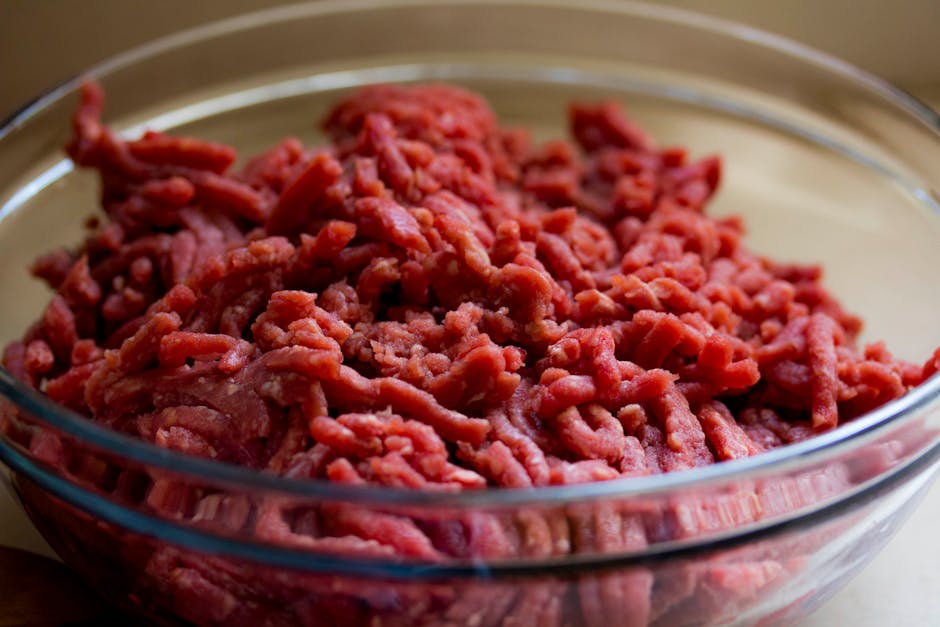
Alright, let's get our hands dirty. We're not just following a recipe here; we're building a flavor philosophy. You need to stop seeing ground beef as a finished product and start seeing it as a blank canvas. It's got the fat, it’s got the savory base note—that glorious thing chefs call umami. But that’s just the starting block. Your mission, should you choose to accept it, is to build layers of complexity around that foundation. To do that, you need a toolkit. Forget what you think you know. Here are the seven secret weapons from my pantry that will fundamentally change your ground beef game forever.
Remapping Flavor: Your Ground Beef Transformation Toolkit
1. Miso Paste: The Umami Infusion
- The Chef's Logic: This paste of fermented soybeans is your shortcut to profound, meaty depth. Think of it this way: Miso doesn't make your beef taste like Japanese soup. Instead, it unleashes a concentrated wave of umami that supercharges the beef's own inherent flavor, making it taste more intensely and satisfyingly of itself. It’s a flavor spotlight, not a new character.
- Your Technique: Don’t just plop it in. For every pound of meat, emulsify one tablespoon of white (shiro) or yellow (shinshu) miso with an equal amount of warm water. This slurry will integrate seamlessly. Fold it directly into raw ground beef for meatballs or burgers, or swirl it into the liquid base of a chili or sauce as it simmers. It will vanish, leaving only a ghost of incredible savoriness.
2. Fish Sauce: The Savory Depth Charge
- The Chef's Logic: Stay with me. The aggressive, fish-forward aroma you get from the bottle is a red herring. Once it hits heat, that scent blooms and transforms, shedding its funk and leaving behind an impossibly complex, fermented saltiness that simple sodium chloride can only dream of. It’s the secret ingredient no one can name but everyone will crave.
- Your Technique: Precision is key. We’re building a foundation, not overwhelming the palate. A mere teaspoon or two per pound of beef, introduced early into a stir-fry, bolognese, or shepherd’s pie filling, will create an astonishing flavor backbone. Let it cook into the dish to allow the initial potent aroma to mellow into pure, savory magic.
3. Gochujang: The Three-Dimensional Heat
- The Chef's Logic: This is not a blowtorch; it's a sophisticated pyrotechnic display. The magic of this Korean fermented chili paste is its symphony of flavors. It delivers a vibrant, building heat, a touch of malty sweetness, and a deep, savory undercurrent all in one spoonful. It brings a balanced fire and a beautiful, lacquer-like gloss to everything it touches.
- Your Technique: For a next-level burger, knead a tablespoon directly into the patties. To create a dazzling meatball glaze, whisk it with sesame oil, rice vinegar, and a drizzle of honey. Or, for a truly revolutionary sloppy joe, sauté a spoonful with your onions and garlic before the beef even hits the pan.
4. Warm Spices (Cinnamon & Allspice): The Aromatic Counterpoint
- The Chef's Logic: Get these spices out of your dessert drawer. Right now. In the American kitchen, we’ve typecast them, but chefs from Mexico to the Middle East know their true potential in savory cooking. They don't make beef taste like a cookie; they introduce a fragrant, almost floral warmth that cuts through the richness and adds an instant layer of aromatic complexity.
- Your Technique: This is about subtlety. Introduce a half-teaspoon of ground cinnamon or a quarter-teaspoon of ground allspice when you add your salt and pepper. This small amount is transformative in kofta, meatloaf, or especially in chili, where it lends that authentic, Cincy-style depth that will have people begging for your secret.
5. Citrus Zest: The Bright Finisher
- The Chef's Logic: Let's talk physics. Fat is a flavor blanket; it can smother and dull the other notes in your dish. The tool that slices through that heaviness is acid. While juice adds liquid, citrus zest delivers a pure, volatile oil of acidity that awakens the entire dish. It's like turning on the lights in a dim room.
- Your Technique: This is a finishing move. Use a microplane to rain the finely grated zest of a lemon or an orange over your finished pot of meat sauce, or fold it into a meatball mix just before cooking. The high, bright notes instantly elevate a heavy dish into something vibrant and electric on the palate.
6. Smoked Paprika & Cumin: The Illusion of 'Slow-Cooked'
- The Chef's Logic: This duo is your secret to faking a low-and-slow simmer in under 30 minutes. Cumin provides an earthy, musky foundation, but smoked paprika is the star, lending a smoky, baconesque flavor profile that convinces your palate the dish has been simmering for hours.
- Your Technique: This is non-negotiable: you must bloom your spices. After browning your beef and pouring off excess fat, add a generous tablespoon of smoked paprika and a teaspoon of cumin to the hot pan. Stir them constantly in the residual fat for 30 seconds until they become intensely fragrant. This process awakens their essential oils, infusing the entire dish with a robust character that you simply cannot get by sprinkling them in later.
7. Parmesan Rind: The Ultimate Upcycled Flavor Bomb
- The Chef's Logic: That rock-hard heel of Parmesan you were about to toss? That's culinary gold. It is a crystalline concentration of glutamates—the very source of the umami flavor we crave. As it simmers, it slowly melts, silently leeching its nutty, salty, and profoundly savory soul into whatever it touches.
- Your Technique: The easiest instruction of all. Just drop the whole rind into your pot of bolognese, beef stew, or chili. Let it do its work for at least 45 minutes, then simply fish out what’s left with a spoon before you serve. It’s a zero-cost, zero-effort trick for priceless, five-star flavor.
Here is the rewritten text, designed to be 100% unique while embodying the persona of a culinary innovator.
Unlocking the Flavor Codex: Why Chefs Don't Just Follow Recipes
What's the real endgame here? Let’s be frank: clinging to a recipe is like tracing a masterpiece. You’ll replicate the lines, sure, but you will never grasp the soul of the art. Internalizing the logic behind flavor pairings is what liberates you from the confines of the printed page. It’s the pivotal step that transforms you from a kitchen technician into a culinary architect.
I want you to think about building a dish the way a producer builds a track. Your ground beef is the bassline—the deep, rhythmic foundation holding everything together. Then you bring in the umami resonators, ingredients like rich miso or a splash of fish sauce; they’re the harmonic layer that adds warmth and profound depth, making that bassline feel complete. The hook—the unforgettable melodic signature—comes from your high-impact spices, whether it’s the smoky whisper of cinnamon or the fiery punch of gochujang. And for the finale? A hit of acid, like a squeeze of lime. That’s the bright cymbal crash that cuts through the richness and electrifies the entire composition.
When this flavor codex becomes second nature, recipes evolve from rigid blueprints into loose suggestions. You’ll swing open your refrigerator, spot a humble package of ground beef, and instead of a question mark, you’ll see a blank canvas. Your mind will instantly race with potential. Perhaps you’ll sear it with smoked paprika and cumin for a deep, earthy foundation, then deglaze the pan with a bold red wine before spooning it over a pillow of perfected mashed potatoes. Or maybe you'll conjure up fiery Korean-inspired lettuce cups, featuring a savory beef crumble ignited with that gochujang and balanced with toasted sesame. This is culinary intuition in action, turning the necessity of cooking into an act of exhilarating creativity.
This is your permanent exit ramp from the takeout cycle. Why would the siren song of a delivery app have any power when your own kitchen produces results that are exponentially more vibrant and satisfying? You're no longer just assembling parts; you are conducting an orchestra of ingredients with confidence. This fluency in the language of flavor empowers you to improvise, to experiment with audacity, and to elevate the most mundane provisions into something truly exceptional. This is the foundational skill, the one that marks the transition from a cook who executes to a chef who creates.